
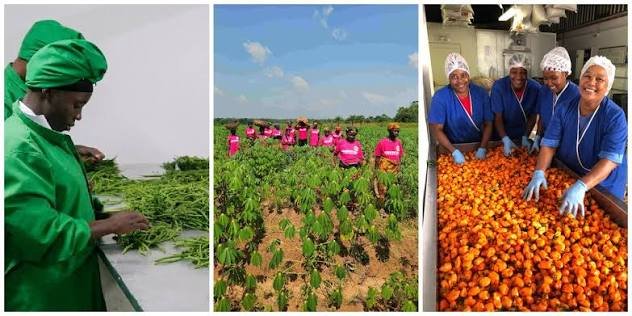
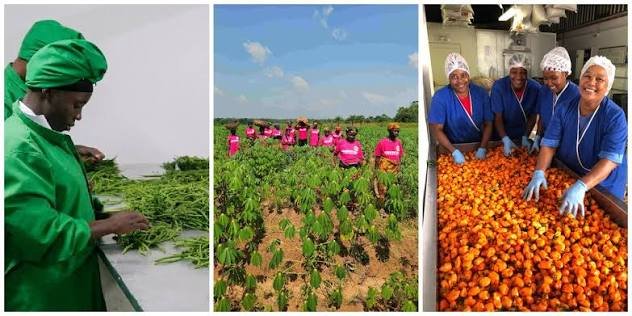
Despite being a country rich in agricultural land, a harsh combination of regional conflict, severe climate shocks, and high input costs has pushed Nigeria into one of the largest hunger crises globally. The strain is hitting northern Nigeria the hardest, where millions of families are being forced to skip meals just to survive.
Why Are Plates Empty?
- The Security Roadblock: Persistent banditry and insurgencies force farmers off their lands, leaving vast fields uncultivated.
- Climate Distress: Extreme weather cycles, from unpredictable droughts to flash flooding, routinely destroy entire seasonal harvests.
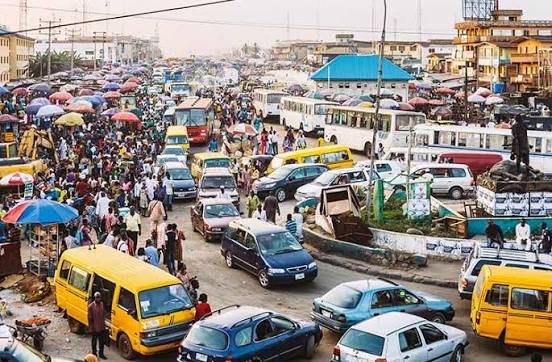
- Sky-High Expenses: Even when food is available, hyper-inflated prices for fertilizer, fuel, and transport keep staples out of reach for average families.
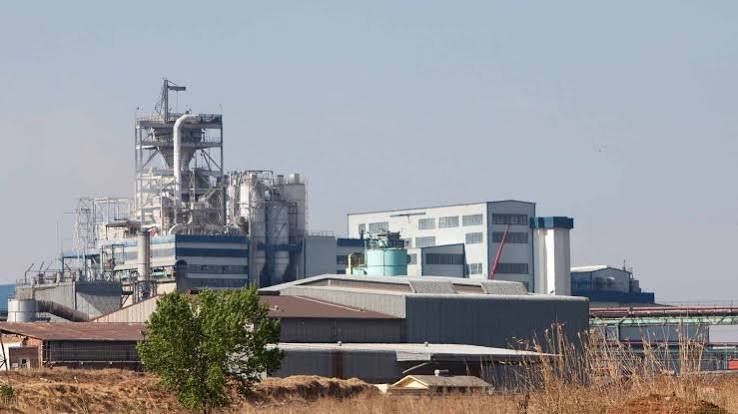
- Post-Harvest Waste: Due to poor storage networks and dilapidated transit roads, nearly 40% of agricultural yields rot before reaching consumers.
Driving Long-Term Change
To pull back from the brink, agencies like the Food and Agriculture Organization (FAO) have rolled out structural Emergency and Resilience Plans. However, lasting relief requires fixing domestic supply chains. On a community level, everyday citizens are adopting smart urban farming alternatives—such as bag and sack farming—to reliably grow vegetables in tight spaces.




Nkea wu test