The question of Africa’s developmental trajectory is a subject of intense debate among historians, economists, and sociologists. When analyzing the continent’s challenges, scholars generally look at a combination of internal governance issues, historical legacies, and ongoing global economic structures, rather than attributing it to a single cause like “mentality.”
Here is a breakdown of the two primary perspectives often raised in this discussion: the role of internal frameworks and leadership, and the impact of external geopolitical influences.
Internal Factors: Governance, Institutions, and Perspectives
Many analysts argue that internal structural challenges and political frameworks play a critical role in stalling development across various African nations. Rather than a biological or cultural “mentality,” critics point to specific socio-political habits and institutional designs:
- Institutional Weakness: In many states, formal legal and economic institutions remain weak, leading to corruption, rent-seeking behavior, and a lack of accountability among ruling elites.
- Short-Term Political Focus: Some political systems prioritize immediate political survival or ethnic favoritism over long-term national development plans, civic infrastructure, and educational investment.
- Dependency Traps: A reliance on foreign aid and resource extraction can sometimes foster a domestic economic environment that disincentivizes local industrialization, innovation, and self-reliance.
External Factors: Geopolitics and the Status Quo
Concurrently, a vast body of academic literature underscores how historical and modern actions by Western powers and global institutions have actively worked to maintain a global economic status quo that disadvantages developing nations.
- Historical Subjugation: The legacy of colonialism arbitrarily drew national borders, disrupted existing socio-economic systems, and designed African economies primarily to export raw materials rather than process them locally.
- Asymmetric Economic Structures: Global trade architectures, including tariff systems and intellectual property laws, often make it difficult for African nations to move up the value chain from resource extraction to high-tech manufacturing.
- Geopolitical Intervention: Throughout the 20th and 21st centuries, foreign interventions—ranging from structural adjustment programs imposed by international financial institutions to direct political interference—have sometimes destabilized local governance or favored leaders who prioritize foreign commercial interests over domestic welfare.
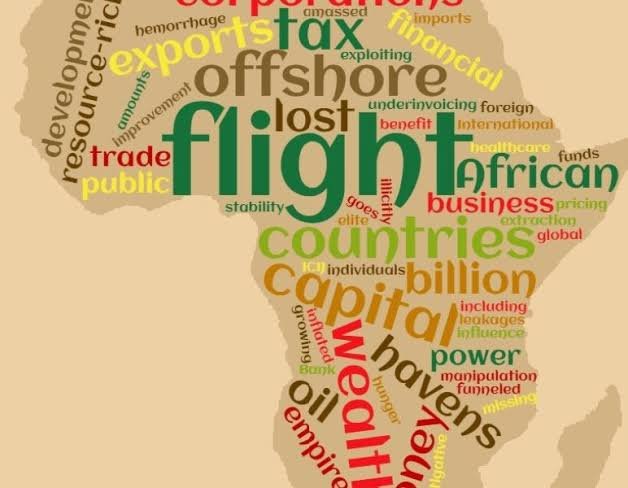
- The “Resource Curse” Dynamics: Global corporations and foreign governments often benefit from cheap, uninterrupted access to Africa’s vast mineral wealth (such as cobalt, oil, and gold). A highly stable, industrialized, and self-sufficient Africa might demand higher prices and stricter regulations, altering the balance of global economic power.
Conclusion
Most contemporary analyses suggest that Africa’s development challenges cannot be reduced to a single internal or external variable. Instead, they are the result of a complex, reinforcing cycle where external global structures often exploit or exacerbate internal institutional vulnerabilities, making comprehensive reform a multifaceted challenge.