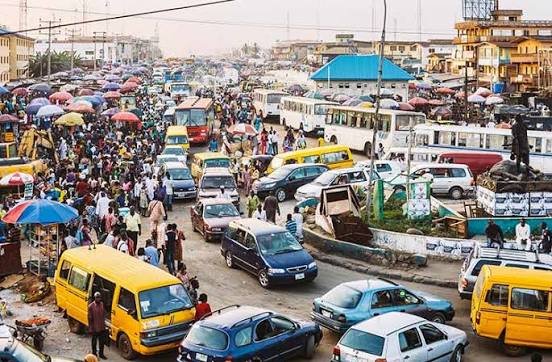
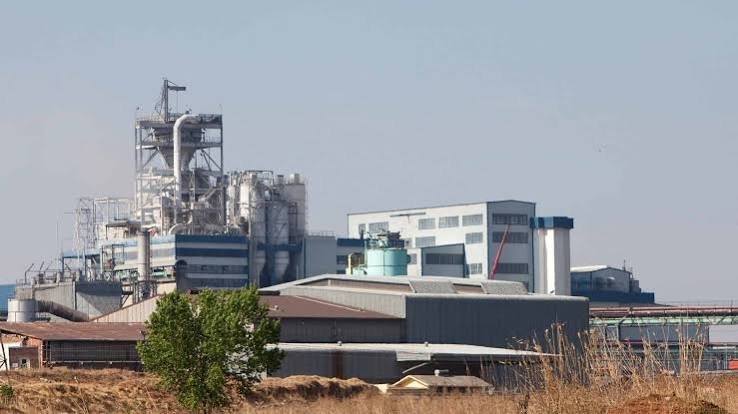
Despite boasting an installed capacity of over 13,000 MW, the national grid routinely delivers less than 4,500 MW to the entire population. This massive supply deficit forces millions of households and industries to rely on expensive, carbon-heavy backup petrol and diesel generators to keep running. [1, 2, 3, 4]
The Major Bottlenecks
- Grid Fragility: System disturbances plague the main infrastructure, leading to frequent national grid collapses that plunge major cities into total blackouts. [1, 2]
- Gas Shortages: While Nigeria holds Africa’s largest gas reserves, pipeline vandalism and poor payment structures regularly cut off fuel to thermal power stations. [1, 2]
- DisCo Debt Traps: Distribution companies (DisCos) face crushing multi-trillion naira debts, limiting their ability to purchase and transmit bulk electricity. [1, 2]
- The Cost Multiplier: High tariffs have forced corporate customers to abandon grid electricity entirely in favor of self-generation networks. [1, 2]
The Renewable Shift
Faced with these constant power cuts, Nigerians are increasingly taking matters into their own hands. On a corporate level, heavy manufacturing plants spend billions annually on independent power setups. For everyday citizens, small-scale solar panels and inverter systems are fast becoming the default blueprint for uninterrupted home energy. Regulatory shifts, like the Nigerian Electricity Regulatory Commission (NERC) rolling out new Net Billing Regulations, aim to let solar owners feed excess power back into the grid, offering a glimmer of hope for a decentralized energy future. [1, 2, 3, 4, 5]
Leave a Comment