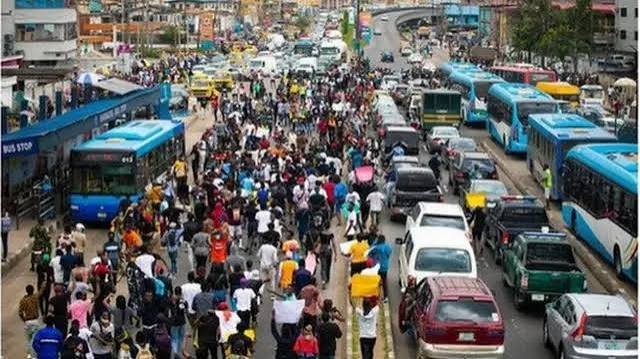
While the country’s agribusiness and tech sectors are rapidly expanding, they are hitting a massive roadblock: a strained, highly expensive transportation network. For businesses, farmers, and daily commuters alike, the journey from point A to point B has become the ultimate test of resilience.
The Major Roadblocks
- The Fuel Factor: With national petrol prices averaging roughly ₦1,600 per litre, fuel costs dictate the price of everything else.
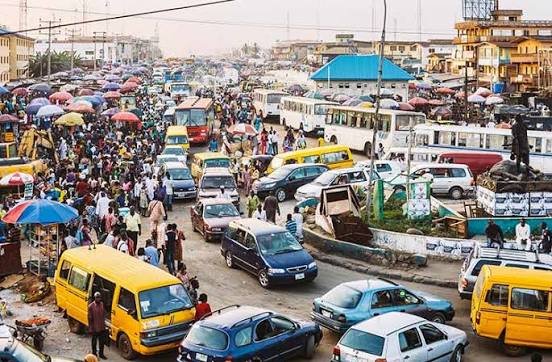
- The “Danfo” and Interstate Toll: Intra-city commuting has jumped nearly 40% year-on-year. Meanwhile, average interstate fares on busy corridors have climbed to between ₦18,000 and ₦40,000.
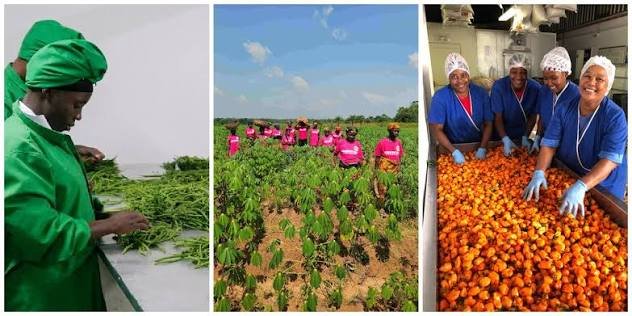
- The Infrastructure Deficit: Bad rural access roads delay deliveries, stall vehicles, and cause nearly 40% of agricultural produce to spoil before reaching the market.
- The Highway Threat: High-profile insecurity on major highways forces passengers to pay premium prices for flights or rely solely on freight waybills.
The Path Forward
To keep things moving, businesses are getting creative. Companies like Dangote are paving the way by rolling out long-haul trucks powered by Compressed Natural Gas (CNG) to slash fuel expenses. To fix the root problem, the Federal Government recently earmarked ₦2.47 trillion in the budget to repair 124 critical transit corridors. Until those roads are smooth, smart logistics routing and supply chain consolidation remain a business’s best line of defense.